
Let’s be real for a second: bubble wrap is basically the undisputed king of packaging. You know the stuff—those little plastic pillows that make popping sounds so satisfying you almost feel guilty about it. For decades, businesses have relied on it to keep their fragile goods safe during shipping. But here’s the thing: traditional bubble wrap production used to be a slow, clunky, and surprisingly wasteful process. That’s where things get interesting. Enter the air cushion film machine, a game-changing piece of equipment that’s quietly revolutionizing how businesses create their own cushioning material. If you’ve ever wondered how companies manage to ship delicate electronics, glassware, or even that fancy cheese platter without it turning into crumbs, the answer often comes down to this machine. And trust me, it’s way cooler than it sounds.
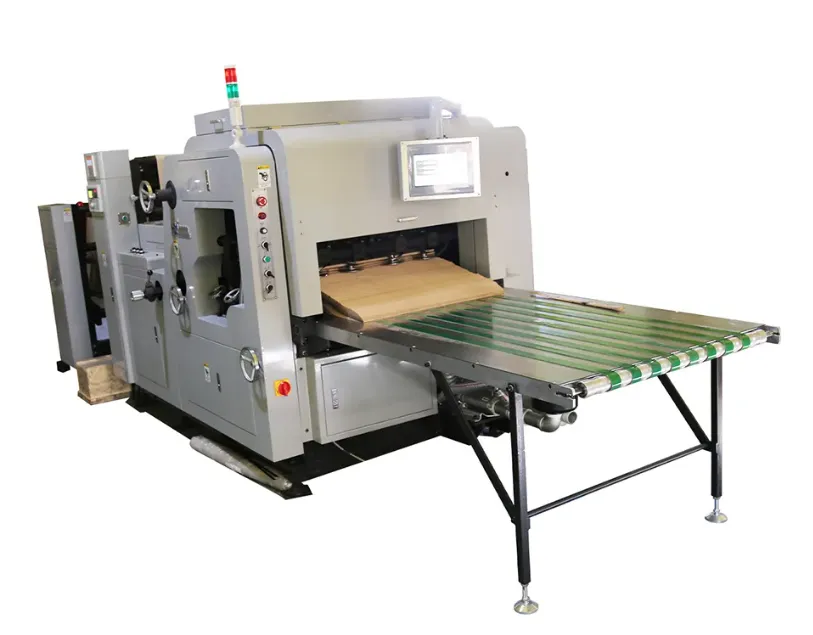
You see, traditional bubble wrap is made by extruding plastic with trapped air between two layers. Simple enough, right? But the manufacturing process involves massive rolls of pre-formed bubble sheeting, which takes up space, requires heavy machinery, and often results in a ton of wasted material. Plus, shipping those rolls across the country adds to costs and carbon footprints. That’s a headache for any business owner trying to keep overheads low and sustainability high. But here’s where the air cushion film machine flips the script—literally. Instead of relying on pre-made bubble wrap, companies can now produce custom-sized air pillows on-site, as needed. The machine takes a flat roll of film, seals it into tubes, inflates them with air (not helium, just regular air), and seals the ends. Boom: instant cushioning that’s lightweight, strong, and totally adjustable. It’s like having a bubble wrap factory in your warehouse, without the factory-sized price tag.
Why This Matters for Small and Midsize Businesses
Let’s talk about the little guys—the small businesses, the Etsy sellers, the local boutiques shipping handmade pottery. For them, packaging costs can eat up profits faster than you can say “breakage claim.” Traditional bubble wrap often comes in giant rolls that are impossible to customize. You end up wrapping a small mug in five layers of bubble wrap just to fill the box, or worse, you have to cut pieces manually, leaving a mess of plastic scraps. An air cushion film machine changes all that. You can dial in the exact size of the air pillows you need—small for jewelry, medium for ceramics, large for electronics. The machine runs on demand, so you’re not stockpiling rolls of plastic that sit around gathering dust. Plus, the film itself can be made from recycled materials, and some machines even use biodegradable films. That’s a huge win for eco-conscious brands trying to reduce waste.
But here’s the real kicker: cost savings. When you buy pre-made bubble wrap, you’re paying for the air inside it. Seriously—a large portion of that product cost is literally for trapped gas. With an air cushion film machine, you’re paying for the film roll and the electricity to run the machine. Air is free. So your per-unit cushioning cost drops dramatically. I’ve heard of businesses cutting their packaging material expenses by 30 to 50 percent after switching to on-site air pillow production. That’s not chump change. And because the pillows are lightweight, you also save on shipping costs. Less weight means lower rates. It’s a two-for-one deal that keeps accountants happy and customers even happier when their orders arrive intact.
The Speed Factor: From Setup to Shipment
Okay, picture this: you’re a fulfillment center manager, and it’s peak holiday season. Orders are pouring in, and every second counts. You can’t afford to have workers fumbling with giant rolls of bubble wrap, spending minutes cutting and fitting pieces into each box. That’s a productivity nightmare. An air cushion film machine operates at blazing speed—some models can produce up to 20 meters of air pillows per minute. That’s enough to fill dozens of boxes in the time it takes to roll out a single sheet of traditional bubble wrap. And because the machine integrates easily into packing stations, workers can pull air pillows right at the moment they need them, no waiting, no setup. It’s packaging on the fly, and it minimizes worker motion and fatigue.
What’s even cooler is that modern machines come with adjustable speed controls and pressure settings. So if you’re packing heavy items like books, you can make the pillows slightly firmer. For fragile items like wine bottles, you can go softer and create more cushioning layers. The flexibility is insane. And let’s not forget the space-saving aspect. A roll of flat film for the machine takes up a fraction of the space compared to stacks of pre-inflated bubble wrap rolls. For warehouses where every square foot is precious, that’s a big deal. You can literally free up an entire aisle of storage just by switching to an air cushion film machine.
Breaking Down the Tech: How It Actually Works
I know, terms like “sealing” and “inflation” sound boring, but the tech behind these machines is surprisingly clever. The typical air cushion film machine uses a heated sealing bar to create the vertical seals that form individual pillow chambers. The film runs through a set of rollers, and air is injected through a tiny nozzle into the chambers before the top seal is closed. Some machines use a continuous-sealing process where the film is sealed on both sides simultaneously, creating a row of pillows that are then cut to length. Advanced models have microprocessors that control the air pressure and seal temperature, ensuring consistent quality even with varying film types.
You might wonder: “Does the plastic burst easily?” Nope. The film used in these machines is typically a multi-layer co-extruded polyethylene that’s designed to hold air for months. I’ve seen air pillows sit in storage for six months without leaking. And if you ever worry about punctures, the sealed chambers act as independent compartments—if one fails, the others still hold. So your fragile shipment stays protected even if a package gets tossed around like a football. The machine also handles different film widths, from narrow rolls for small pillows to wider ones for large protective wraps. It’s modular, adaptable, and built to handle high volume without breaking a sweat.
Environmental Impact: Less Plastic, Same Protection
Here’s a hard truth: the packaging industry creates a mountain of plastic waste. Traditional bubble wrap, while recyclable, often ends up in landfills because it’s contaminated with tape or labels. But an air cushion film machine can be part of a greener solution. First, because you produce on demand, there’s zero excess material. No leftover scraps, no half-used rolls. Second, many suppliers now offer film made from post-consumer recycled content, sometimes up to 100 percent recycled material. And third, air pillows take up far less volume in recycling streams because they can be deflated. Some companies even collect used pillows from customers and reuse them. By producing pillows with an air cushion film machine, businesses can reduce their plastic usage by 30 percent or more compared to pre-formed bubble wrap. That’s not greenwashing—that’s real, measurable reduction.
But wait, there’s more. Because the film is flat before inflation, shipping the film rolls is way more efficient than shipping pre-formed bubble wrap. A truckload of flat film can produce the same number of air pillows as five truckloads of pre-inflated material. That cuts fuel consumption and emissions drastically. For companies that care about their carbon footprint—and let’s be honest, most of them do nowadays—this is a massive selling point. Plus, the lightweight pillows reduce overall package weight, which means fewer emissions per shipment. It’s a win for the planet and for the bottom line.
Common Myths About Air Cushion Film Machines
I’ve heard people say, “Oh, those machines are only for big corporations with huge budgets.” That’s total nonsense. There are desktop-sized air cushion film machine models that cost less than a thousand dollars and can produce enough pillows for a small business. I’ve seen home-based sellers use them to pack custom orders. Another myth is that they’re hard to operate. Come on—if you can use a printer, you can use one of these. You load the film, turn it on, and press a button. Some machines even have automatic film loading. No special skills required.
And no, they don’t break down every five minutes. Modern machines are built with durable components and have user-friendly maintenance features. If a seal bar wears out (which takes thousands of hours), you replace it in seconds. Companies that invest in a decent air cushion film machine often run it for years without major issues. The key is to buy from a reputable manufacturer and use quality film—cheap, thin film can cause seal failures, but that’s user error, not the machine’s fault.
Real-World Examples: Businesses That Switched and Never Looked Back
Take a mid-sized online retailer that sells custom furniture. Their old process involved purchasing gigantic rolls of bubble wrap, cutting sheets manually, and taping them around tables and chairs. It was slow, messy, and created tons of plastic waste. After installing an air cushion film machine, they could produce long chains of pillows that wrap around irregular shapes easily. Their packing time dropped by 40 percent, and they cut material costs by a third. Customers reported fewer damaged items because the pillows conformed better to the furniture’s contours.
Another example: a winery that ships wine by the case. Glass bottles are notorious for breaking. Pre-formed bubble wrap didn’t fit snugly around the bottles, so they had to add extra fillers. With the air cushion film machine, they created custom-sized pillows that slid into the case with zero wasted space. Breakage rates fell to near zero. And because the pillows are made on-site, they could adjust production based on seasonal demand. During harvest season, they’d run the machine for hours, in slow months, they’d turn it off. No wasted inventory, no overstock.
The Future of Packaging Is Here
Look, I’m not saying that traditional bubble wrap will vanish overnight. It’s still useful for some applications. But the direction of the industry is clear: move toward on-demand, customizable, efficient packaging that saves money and reduces waste. The air cushion film machine is at the heart of that shift. It’s empowering businesses of all sizes to take control of their packaging supply chain, cut out middlemen, and create exactly what they need, when they need it. Whether you’re a massive fulfillment center or a side hustle based in a garage, this technology levels the playing field.
So the next time you receive a package filled with air pillows that are all the same size, perfectly fitting the box, you can thank one of these machines. And if you’re a business owner still struggling with bubble wrap rolls that take up half your storage space, maybe it’s time to consider the switch. It’s not just about making packaging easier—it’s about making your whole operation leaner, greener, and more profitable. And honestly, who doesn’t want that? The answer is: no one. So go ahead, give an air cushion film machine a thought. Your bottom line, your customers, and the planet will all give you a thumbs-up.
