
Once water slips beneath a carpet, trouble starts faster than most expect. Dampness sneaks through fibres and backing without warning. When Water Leak Carpet Wet, left alone, that wet patch turns into something worse in less than two days. Mould might appear. Smells can develop. The floor underneath risks harm. Air inside the home may suffer too. Acting slowly opens the door to bigger issues down the line. Quick attention changes the outcome more than anything else. Even small seeps demand respect when hidden below surface level. Time matters more than size. Every hour adds risk once saturation begins. What seems minor by nightfall could be rotting before morning light.
Why does water spread so quickly through carpets?
Fibres in carpets soak up liquid fast. Because of this, dampness moves past the underlay, finding its way to the floor beneath.
Water sometimes sneaks much farther than you’d guess. Under the carpet, dampness tends to stay stuck without showing.
Fast Drying Matters When Carpets Get Wet From Leaks?
Mould can start growing fast where water has soaked into a carpet. When things stay wet, tiny organisms find it perfect for spreading.
Moisture vanishes fast, so germs have less chance to spread while floors stay safer. Because the liquid disappears quickly, carpets avoid lasting harm.
How can standing water be removed properly?
Water gushes out when wet vacs work on soaked rugs. For damp spots, cloths soak up what’s left behind. Machines tackle deep floods while fabric scraps handle light residue.
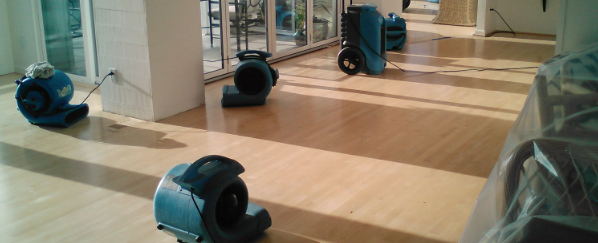
Using specialised gear pulls out hidden dampness better because it works harder than regular home devices. Moisture trapped deep inside surfaces needs stronger power, something typical tools lack entirely.
Is it possible that fresh air flow speeds up drying times?
Windows open, doors cracked – works fine if outside air stays dry. Air moves through, carries moisture away, given the right conditions.
Still, muggy air can delay evaporation while boosting dampness inside. The efficiency of drying shifts sharply with outdoor changes.
Hidden wet carpet damage signs?
Hidden moisture issues usually come with a stale odour. Look for dark patches on rugs, squishy spots underfoot, or areas that stay wet too long when spotting Wet Carpet Damage.
When damp stays stuck in one place, mould can start showing up. Experts check for wet spots you might not see.
How does moisture testing improve drying accuracy?
Hidden wet spots under carpets often show up first through a moisture meter. Inside floor layers, these devices detect how much water is present – checking both the covering and what lies beneath it.
Spotting damp early means problems stay small instead of spreading. A trained check catches what eyes miss before walls start to suffer.
Can household fans fully dry wet carpets?
Still, household fans can speed up drying on surfaces – yet their reach runs shallow. Beneath carpets, dampness might linger without showing signs.
A well-built dryer often works more quickly, also leaving things far drier.
Mould struggles to grow when surfaces stay clean and dry. Air inside feels different after wiping things down, plus letting them breathe.
When should professional help become necessary?
Professional restoration services become important when:
- Water covers large carpet areas
- Padding becomes saturated
- Moisture reaches walls or subfloors
- Sewage contamination occurs
- Mould growth appears
Over months, swift work pays off quietly. Repair bills tend to ease with speed upfront. Time reveals savings where drying happens without delay.
Can mould grow even after the carpet feels dry?
True. Just because the top feels dry doesn’t guarantee the layers below are fully dry. Dampness can linger beneath without showing.
Mould struggles to take hold when a space dries correctly – experts checking in makes that more likely. Their visit isn’t magic, just careful eyes where moisture hides.
Even when things seem fine, a wet carpet after a leak needs real attention. Pulling out water quickly matters – so does steady air movement across surfaces. Humidity sticks around if unchecked, making problems worse behind walls. Testing spots others miss can stop rot before it spreads. Mould finds cool, damp places first, often unseen at first glance. Floors might look okay while trouble builds underneath. Expert cleanup crews catch what homeowners overlook. Capital Facility Services steps in where DIY fixes fall short.
