
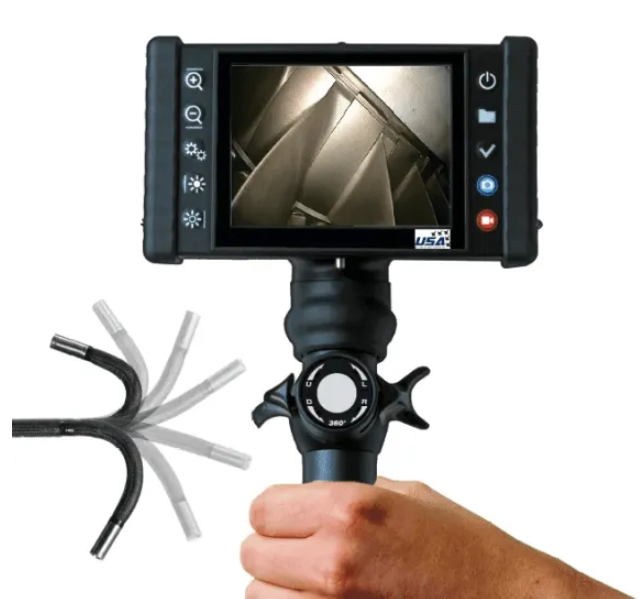
In aviation maintenance, it’s easy to treat a borescope as a nice-to-have tool – until an inspection turns into a string of follow-ups, escalations, and downtime decisions based on incomplete information. A measuring borescope changes the equation by adding dimensional measurement to remote visual inspection, helping teams answer not just what they’re seeing, but how big it is and whether it’s trending in the wrong direction.
That doesn’t automatically mean every shop should buy one tomorrow. The real question is whether measurement capability will reliably reduce costs and risk in your workflow. Companies such as USA Borescopes support inspection programs with equipment options that can fit different budgets and inspection demands – so the decision often comes down to volume, downtime sensitivity, and how often size matters in your findings.
What ROI Really Means in Aviation Inspections
ROI in aviation isn’t just about replacing labor hours with a faster tool. It’s about improving the quality of decisions while reducing the ripple effects of uncertainty.
A measuring borescope can deliver value in ways that don’t always show up in a simple purchase-price comparison:
- Time-to-decision: Faster, more confident calls on serviceability.
- Fewer unnecessary actions: Avoiding a teardown or part swap driven by maybe.
- Better communication: Measurements reduce debate between technician, lead, QA, and engineering.
- More consistent outcomes: Standardizing what gets recorded and how it’s evaluated.
The Hidden Cost: Delays and Waiting on Answers
Even when no one is turning wrenches, time still costs money. Waiting for a second inspection, sending images for review without measurements, or re-opening access because the first pass wasn’t conclusive can create schedule pressure. Measuring capabilities can reduce those loops by producing documentation that’s easier to evaluate and approve.
Where Measuring Borescopes Save Money Fast
The quickest payback typically comes from scenarios where measurement helps you avoid a high-cost step or prevents time-consuming rework.
1) Avoided tear-downs and unnecessary disassembly
A standard borescope can confirm damage is present. But if the next decision depends on extent – crack length, pit depth, material loss, edge break size – measurement helps confirm whether the finding is within allowable limits or trending toward them. When that extra clarity prevents even a single unnecessary teardown, the savings can be significant.
2) Fewer repeat inspections and reopens
Repeat inspections happen for predictable reasons: poor angles, unclear scale, missing reference points, or disagreement over severity. Measurement tools can reduce reopens because the initial inspection captures dimensions and provides stronger evidence for the decision.
3) Faster triage for borderline findings
Aviation teams often face gray-zone indications: something doesn’t look great, but it’s not obviously unserviceable. Measuring capability supports triage by documenting what’s there now – so the team can repair, monitor, or schedule corrective action with more confidence.
Example ROI Math (Simple, Hypothetical Framework)
Here’s a practical way to model value without overcomplicating it:
- Labor savings: (hours saved per inspection) × (inspections per month) × (loaded labor rate)
- Downtime savings: (hours of downtime avoided) × (downtime cost per hour)
- Avoided teardown cost: (teardowns avoided per year) × (average teardown cost)
If measurement helps you avoid just a few reopens, reduces a handful of extended troubleshooting events, or prevents one unnecessary teardown, the tool’s cost can start looking more like a controlled investment than a discretionary purchase.
Efficiency Gains That Add Up Across a Fleet or Operation
In aviation, the same maintenance tasks repeat – across engines, aircraft, sites, and seasons. Measuring borescopes tend to deliver compounding benefits when inspections are frequent and standardized.
Common efficiency wins include:
- Fewer escalations for second opinions because measurements and overlays reduce ambiguity.
- More structured defect tracking, making it easier to compare then vs now.
- Cleaner handoffs between shifts, teams, or locations because the inspection record is more complete.
This is especially useful when multiple stakeholders are involved. A technician might capture the inspection, but QA, engineering, or leadership may review it later. A measuring record helps those reviewers make decisions without requesting additional images or a repeat inspection.
Risk Reduction: Better Calls on Serviceability
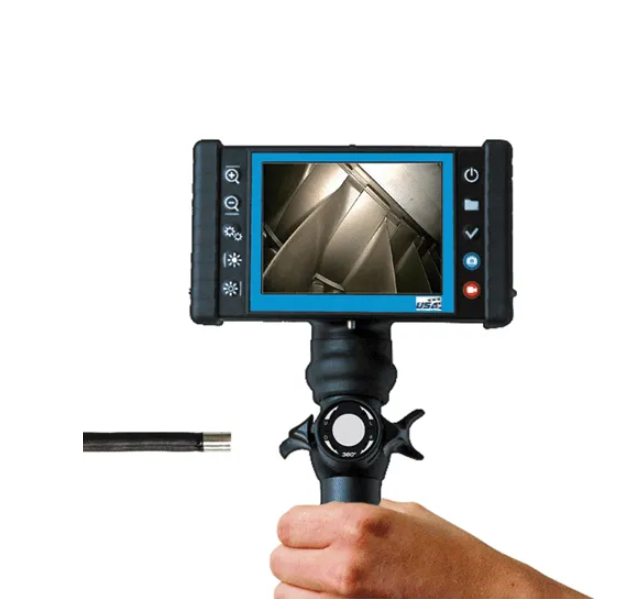
Aviation inspections aren’t just about cost – they’re about making the right call under pressure. Measuring borescopes support risk reduction by lowering the odds of two common failure modes:
- False positives: Overreacting to a defect that looks severe but is within limits, leading to unnecessary downtime and cost.
- False negatives: Underestimating a defect because the scale wasn’t clear, increasing the risk of a missed or misclassified issue.
Measurement helps anchor assessments to documented dimensions rather than subjective impressions. Even if final decisions still require procedure-based confirmation, measurement improves the confidence and consistency of the conversation.
Documentation, Compliance, and Audit Readiness
Measuring borescopes can also pay off in the paperwork layer of aviation maintenance. Inspections often require documentation that is:
- Traceable and consistent
- Clear enough for review and approval
- Useful for trending and future comparison
When measurement overlays, annotations, and standardized reporting are part of the workflow, records become more defensible and easier to interpret later. This matters when an inspection is reviewed after the fact, handed off across teams, or compared to prior findings.
In short: measurement doesn’t just improve the inspection – it improves the record of the inspection.
Buy, Rent, or Hybrid?
Not every organization needs full ownership to get value. Many teams benefit from choosing a strategy that matches inspection frequency and budget reality.
Renting can make sense when:
- Measuring inspections are occasional (special projects, rare events, seasonal spikes)
- You want to trial the workflow before committing
- You need a specific capability for a limited time
Buying can make sense when:
- Measuring inspections are routine and recurring
- Downtime costs are high
- You want consistent availability across shifts or locations
- You’re building a standardized inspection and reporting process
Hybrid approaches (own a general-use system, rent specialized probes or capabilities as needed) can also be a practical middle ground.
If you’re comparing options, it can help to review available configurations and accessories in one place – like the inspection equipment listed on USA Borescopes’ products page – then map those options to your most common inspection scenarios.
What to Look For So the Investment Pays Off
A measuring borescope can be expensive or worth it depending on whether it fits the work. The best purchasing decisions start with clear requirements.
Key factors to evaluate include:
1) Fit for access constraints
Probe diameter, working length, and articulation determine whether you can reach the targets you actually inspect – not just what looks good on a spec sheet.
2) Measurement method and practical accuracy
Measurement performance depends on technique (distance, angle, stability) and how the system calculates dimensions. Look for realistic guidance on how measurements should be captured, not just marketing claims.
3) Image quality and lighting control
Measurement is only as good as the image. If lighting blooms, glare obscures edges, or resolution isn’t adequate, measurement confidence drops quickly.
4) Software and reporting workflow
Look for an efficient path from capture → measurement → annotation → export. If generating a usable report is painful, teams won’t do it consistently – and ROI suffers.
5) Training, support, and total cost of ownership
The purchase price is only part of the investment. Consider repair support, availability of accessories, and whether training is practical for your team.
When Seeing Isn’t Enough, Measurement Changes the Math
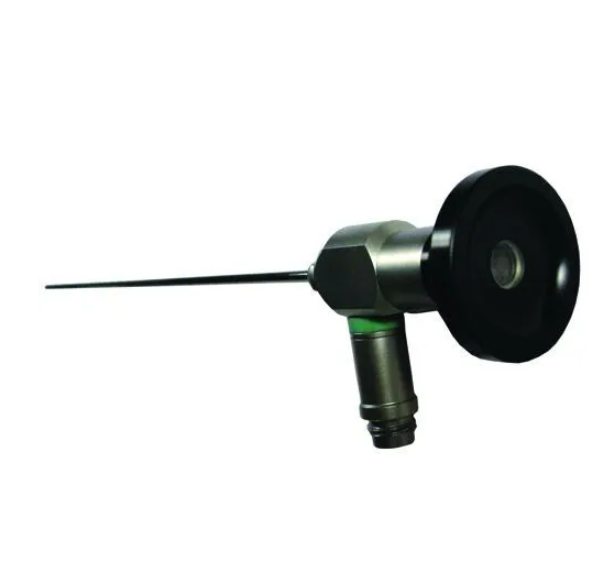
Measuring borescopes are worth the investment when your decisions depend on quantifying defect size, tracking change over time, and minimizing the disruption that comes from uncertainty. The strongest ROI tends to show up where measurement reduces repeat inspections, prevents unnecessary tear-downs, accelerates review and approval, and improves consistency across teams.
For organizations exploring options, USA Borescopes provides measuring and inspection solutions that can support aviation workflows at different scales. If you want to talk through use cases, accessories, or a buy-versus-rent approach, you can contact USA Borescopes to discuss what fits your inspection needs.
About the Author
An independent aviation inspection professional, the author has spent years evaluating remote visual inspection methods, measurement workflows, and reporting practices for maintenance teams. They write to help technicians choose tools that improve decision quality, reduce downtime, and strengthen documentation. The author is not employed by, or affiliated with, USA Borescopes.
