
The Everest Base Camp Trek is one of the most celebrated trekking journeys in the world, drawing thousands of adventurers each year. Commonly known as the Trek to Everest Base Camp, this remarkable expedition offers a perfect balance of breathtaking landscapes, cultural exploration, and personal achievement. Set in Nepal’s famous Khumbu region, the trek leads travelers to the base of Mount Everest, the highest mountain on Earth, making it a dream destination for outdoor enthusiasts.
Introduction to the Everest Base Camp Trek
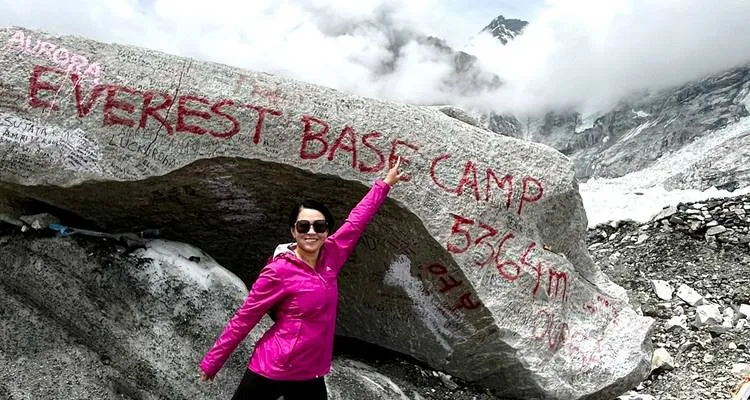
The Everest Base Camp Trek takes trekkers to an altitude of approximately 5,364 meters (17,598 feet), where climbers begin their ascent toward the summit of Mount Everest. While reaching the summit requires technical mountaineering expertise, trekking to base camp is accessible to individuals with good physical fitness and determination.
The journey typically begins with a scenic and thrilling flight to Lukla, a small mountain town with one of the world’s most unique airstrips. From Lukla, trekkers follow a well-established route through the Khumbu Valley, gradually ascending through forests, rivers, and traditional Himalayan settlements.
Scenic Beauty and Natural Diversity
One of the most captivating aspects of the Trek to Everest Base Camp is the extraordinary natural beauty that unfolds along the trail. Trekkers are treated to panoramic views of towering peaks such as Mount Everest, Lhotse, Nuptse, and the elegant Ama Dablam. These majestic mountains dominate the skyline and create a dramatic and inspiring environment.
The trail passes through Sagarmatha National Park, a UNESCO World Heritage Site known for its diverse ecosystems. At lower elevations, trekkers walk through lush forests of rhododendron, pine, and fir. As the altitude increases, the landscape transitions into alpine meadows and eventually into rocky, glacier-filled terrain.
The Khumbu Glacier is one of the trek’s most remarkable natural features. Its vast expanse of ice and rugged formations highlights the raw power of nature. Another unforgettable highlight is the climb to Kala Patthar, a viewpoint offering one of the best close-up views of Mount Everest, especially during sunrise.
Cultural Experience and Sherpa Heritage
The Everest Base Camp Trek is not only about natural beauty but also about cultural immersion. The Khumbu region is home to the Sherpa people, who are renowned for their mountaineering expertise and deep connection to the mountains.
Throughout the trek, visitors pass through villages such as Namche Bazaar, Tengboche, and Dingboche. Namche Bazaar serves as the main trading hub of the region, offering shops, cafes, and cultural insights. Trekkers have the opportunity to interact with locals, learn about their traditions, and experience their warm hospitality.
Buddhism plays a central role in the region’s culture. Prayer flags, mani stones, and chortens line the trails, creating a spiritual atmosphere. Tengboche Monastery, the largest monastery in the area, is a significant cultural highlight where trekkers can witness traditional ceremonies and enjoy peaceful surroundings.
Physical Challenge and Preparation
The Trek to Everest Base Camp is considered moderately challenging and requires a good level of physical fitness. Trekkers typically walk for 5 to 7 hours a day over varied terrain, including steep ascents, rocky paths, and suspension bridges.
One of the biggest challenges is the high altitude. As trekkers ascend, oxygen levels decrease, making it essential to acclimatize properly. Most itineraries include rest days at key points such as Namche Bazaar and Dingboche to help the body adjust and reduce the risk of altitude sickness.
Preparation before the trek is crucial. Regular exercise, including cardiovascular training, strength building, and hiking practice, can greatly improve endurance and overall performance. Proper gear, including warm clothing, trekking boots, and essential equipment, ensures safety and comfort throughout the journey.
Best Time to Trek
The best seasons for the Everest Base Camp Trek are spring (March to May) and autumn (September to November). These periods offer stable weather conditions, clear skies, and excellent mountain visibility.
Spring is known for its vibrant landscapes, with rhododendron flowers in full bloom. Autumn provides crisp air and stunning panoramic views, making it a popular time for trekkers. Winter treks are possible but involve extremely cold temperatures, while the monsoon season is generally avoided due to heavy rainfall and slippery trails.
Accommodation and Food
Accommodation during the Everest Base Camp Trek is provided by tea houses, which are simple lodges operated by local families. These offer basic yet comfortable facilities, including a bed, meals, and communal spaces for relaxation.
The food served on the trek is designed to provide energy for long days of walking. Dal bhat, a traditional Nepali dish consisting of rice and lentils, is a staple due to its nutritional value. Other options include soups, noodles, pasta, and light Western meals.
As trekkers ascend to higher altitudes, facilities become more basic, but the friendly atmosphere and hospitality of the hosts make the experience enjoyable and memorable.
Responsible and Sustainable Trekking
With the increasing popularity of the Everest Base Camp Trek, environmental conservation has become a priority. Trekkers are encouraged to follow responsible practices, such as minimizing waste, avoiding single-use plastics, and respecting local customs and traditions.
Supporting local businesses and choosing eco-friendly options helps preserve the natural environment and cultural heritage of the region. Sustainable tourism ensures that future generations can continue to enjoy the beauty of the Himalayas.
Conclusion
The Everest Base Camp Trek, also known as the Trek to Everest Base Camp, is a journey that goes beyond physical adventure. It is an experience that challenges the body, enriches the mind, and inspires the spirit. From the breathtaking Himalayan landscapes to the rich cultural encounters, every step of the trek offers something meaningful and unforgettable.
Reaching Everest Base Camp is a powerful achievement that symbolizes determination, resilience, and a deep connection with nature. For travelers seeking a truly transformative adventure, this trek stands as one of the most rewarding and unforgettable journeys in the world. It is not just about reaching a destination—it is about embracing the journey and discovering the extraordinary beauty of the Himalayas.
