
A useful wardrobe does not need to be rebuilt every season. Constantly chasing new colors, silhouettes, shoes, and accessories can actually make getting dressed harder because individual pieces stop working together. A better approach is to understand what is already worn, identify genuine gaps, and check quality before adding anything new. Thoughtful fashion product reviews can help shoppers compare style-related products, but the final decision should still depend on fit, construction, comfort, and how often an item will realistically be used.
Start With What Already Works
Before shopping, look at the clothes and accessories that are worn most often. Patterns usually appear quickly. Certain colors may combine easily, some fabrics may feel better through a long day, and particular cuts may work across work, weekends, and travel.
This simple review also reveals real gaps. Someone with several similar tops may not need another one. The missing piece may be a dependable jacket, comfortable trousers, or a bag that works with several outfits.
Buying to fill a clear gap usually creates more useful combinations than buying another isolated statement piece.
Check Quality Up Close
Brand names and price tags can influence expectations, but construction tells a more useful story. When possible, inspect the item carefully before buying.
A quick quality check can include:
-
straight, secure seams and neatly finished edges;
-
zippers, buttons, and clasps that move smoothly;
-
fabric that feels suitable for the intended use;
-
lining and pockets that are properly attached;
-
comfortable movement when sitting, walking, or reaching.
For shoes, look at the sole, support, flexibility, and stress points. For bags, check handles, hardware, lining, and closures.
Online shoppers can use measurements, material details, close-up photos, care instructions, and return policies to reduce uncertainty.
Do Not Separate Style From Well-Being
Shopping decisions also overlap with comfort and everyday wellness. Reading wellness product reviews can be useful when a purchase relates to personal care, fitness, recovery, or products that become part of a daily routine.
The important point is to avoid assuming that a fashionable or heavily promoted item automatically improves well-being. Comfort, ingredient information where relevant, intended use, manufacturer guidance, and realistic expectations matter.
For example, footwear that looks good but causes discomfort is unlikely to earn regular wear. A personal-care product that does not suit someone’s skin or routine may be abandoned quickly. Style and wellness work best when products are chosen for the person using them rather than for the promise around them.
Think in Cost Per Wear
Price becomes easier to judge when it is compared with expected use. A jacket worn regularly for several seasons can offer better value than a cheaper trend piece worn twice. The same idea applies to shoes, bags, denim, and everyday basics.
Cost per wear is not a strict rule. Special clothing for weddings, formal events, or hobbies may naturally be used less often. The goal is to understand the reason for the purchase before checkout.
This way of thinking can also show where spending more may make sense. Everyday shoes, coats, work bags, and basic layers often receive enough use to justify better construction.
Let Accessories Work Harder
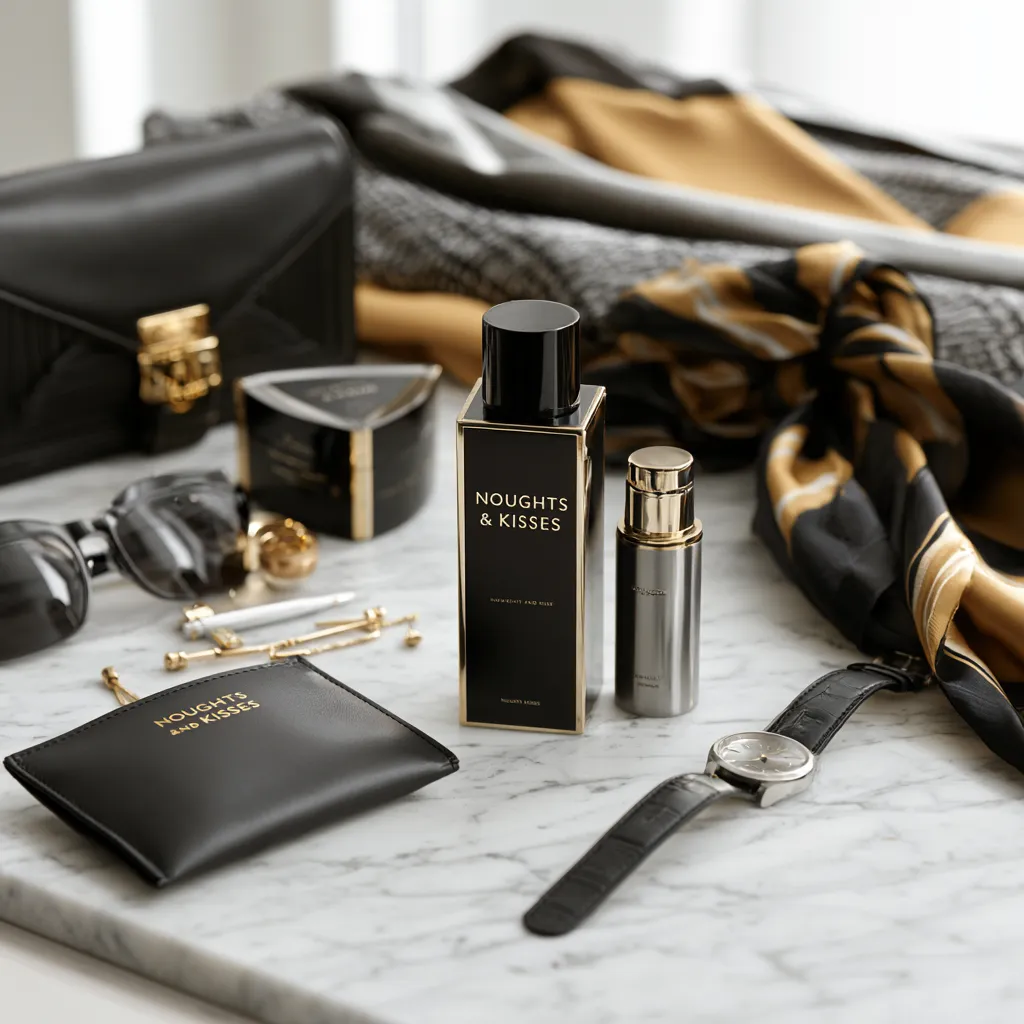
Accessories can refresh familiar clothes without requiring a completely new outfit. A versatile bag, belt, watch, scarf, or simple piece of jewelry can change the feel of items already owned.
The key is choosing accessories that fit the wardrobe and daily routine. A beautiful bag that cannot hold essential items may spend most of its time unused. Sunglasses need comfort as well as appearance. Shoes should suit the amount of walking the wearer actually does.
The best accessory is often the one that works with several outfits and needs little effort to style.
Give Trends a Smaller Role
Trends can still be useful. They may introduce a color, shape, or styling idea that genuinely suits someone. Problems begin when every trend creates pressure to replace what still works.
A balanced approach is to borrow selectively. One updated accessory or silhouette can make familiar clothing feel current without making the rest of the wardrobe obsolete.
If a trend still feels appealing after a few weeks and works with several existing pieces, it may deserve a place.
Conclusion
A stronger wardrobe comes from connected decisions, not constant purchasing. Start with what is already worn, check construction, consider comfort, and think about long-term use. Reviews can help compare options across fashion and wellness, but personal fit and real-life usefulness remain more important than hype. When each new purchase has a clear role and works with what is already there, the wardrobe becomes easier to use, less cluttered, and more personal.
