
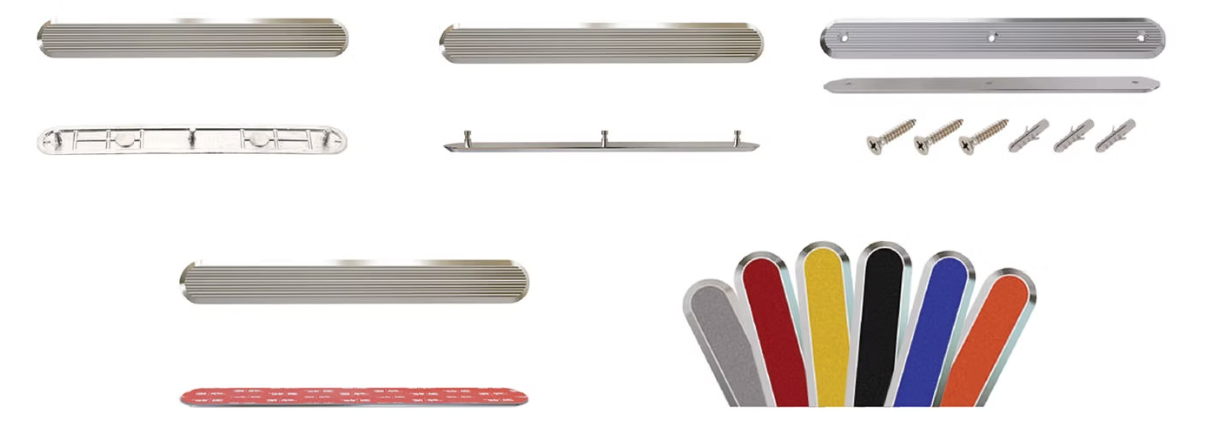
Coastal environments present extreme challenges for accessibility infrastructure. Salt spray, moisture, temperature fluctuations, and chemical exposure demand materials that withstand relentless corrosion. Stainless steel 316 tactile indicators represent the gold standard for coastal projects where durability and safety cannot be compromised. Understanding why this material excels in harsh seaside conditions will help you make the right choice for your waterfront facility.
Understanding Stainless Steel 316 Grade
Superior Corrosion Resistance
Stainless steel 316 contains molybdenum, an element that significantly enhances corrosion resistance compared to standard 304 grades. This composition makes stainless steel tactile studs ideal for environments where salt exposure is constant and severe. The material resists chloride-induced pitting and stress corrosion cracking, ensuring long-term integrity in coastal settings.
Proven Performance in Salt Environments
Coastal facilities require materials engineered specifically for maritime challenges. Stainless steel 316 tactile indicators maintain structural integrity through years of exposure to salt spray, ocean mist, and saline conditions. A stainless steel tactile strips manufacturer uses this grade precisely because it delivers unmatched reliability in environments where other materials fail quickly.
Why Coastal Projects Demand Steel 316
Extreme Environmental Exposure
Coastal areas expose tactile indicators to saltwater aerosols, deicing chemicals, and intense moisture that corrode standard materials. Stainless steel 316 resists this aggressive environment without requiring protective coatings or frequent maintenance. The material’s composition prevents degradation mechanisms that compromise inferior grades.
Extended Service Life and Reliability
Investments in coastal infrastructure must survive decades of use. Stainless steel tactile studs provide service life exceeding thirty years in harsh maritime conditions. This longevity justifies higher initial costs and eliminates frequent replacement disruptions that compromise facility safety and operations.
Minimal Maintenance Requirements
Unlike other materials requiring protective sealants and regular cleaning, stainless steel 316 maintains performance with minimal intervention. Facilities benefit from reduced operational disruption and lower maintenance budgets. Accessibility remains consistently reliable without seasonal treatment or weather-related upkeep.
Coastal Application Scenarios
Ideal uses for stainless steel 316 indicators:
- Boardwalk and pier accessibility pathways, waterfront promenade safety zones, marina facility markers, coastal transit station platforms, beach access ramps and walkways, harbors and port facility markings, seaside resort pathways, waterfront restaurant and retail areas, coastal parking lot guidance systems.
- Superior performance in salt spray zones, excellent for areas exposed to ocean mist continuously, maintains integrity through freeze-thaw cycles, resists corrosion from deicing salt chemicals, prevents structural failure from chloride penetration, ensures safety in high-traffic waterfront areas.
Installation Considerations for Coastal Projects
Key factors when specifying stainless steel 316:
- Verify 316 grade certification before installation, specify fasteners also rated for maritime exposure, use marine-grade sealants for adhesive applications, ensure proper surface preparation removes contaminants, confirm installation teams understand coastal requirements, and select appropriate tactile profiles for wet surfaces.
- Plan for increased foot traffic from seasonal visitors, evaluate UV exposure effects on adjacent materials, ensure drainage prevents water pooling around indicators, coordinate with corrosion management systems, monitor installation for first-year performance, and establish a baseline for long-term durability tracking.
Working with Qualified Manufacturers
A stainless-steel tactile strips manufacturer experienced with coastal projects understands the specific requirements for maritime installations. They engineer products specifically for salt exposure and provide technical guidance for optimal placement and installation. Their expertise ensures your safety indicators perform reliably throughout their service life.
Conclusion
Stainless steel 316 tactile indicators represent the best choice for coastal projects where environmental challenges threaten accessibility safety. The material’s superior corrosion resistance, extended service life, and minimal maintenance requirements deliver exceptional value in harsh maritime conditions. When planning waterfront facility improvements, specify stainless steel 316 products to ensure your accessibility infrastructure remains safe, functional, and reliable for decades of continuous use.
