
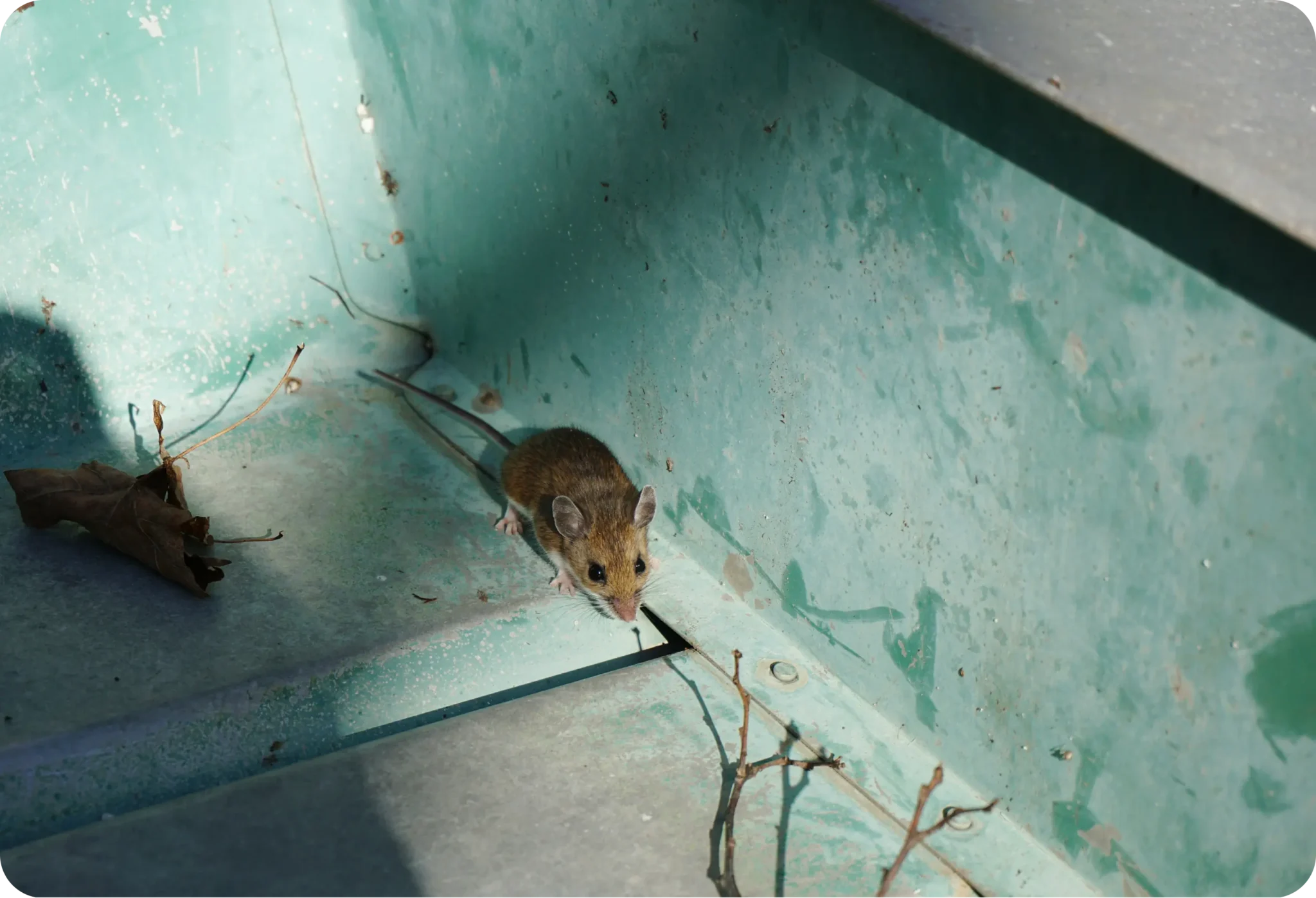
Kitchens and bathrooms commonly feature stone benchtops because of their solid appearance, durability, and low-maintenance reputation. However, many homeowners are surprised to discover serious pest infestations years after installation, often only during renovations or when strong odours become impossible to ignore. The issue is not the stone itself, but what it can conceal beneath and behind it.
Hard stone surfaces can trap moisture, shelter nesting pests, and hide contamination, allowing pest problems to develop silently over long periods. Understanding why this happens helps property owners identify risks earlier and avoid costly structural repairs in the future.
Why Rodents Stay Behind Fixed Cabinetry
Warm, Undisturbed Spaces
Rodents seek environments that are warm, dark, and rarely disturbed. The space between fixed cabinetry and heavy stone surfaces provides ideal conditions. Once cabinetry and a stone top are installed, these areas are rarely accessed, creating long-term shelter where pests can remain unnoticed.
Rats and mice often enter through wall cavities, pipe penetrations, vents, or gaps behind kickboards. The benchtop and cabinetry form a solid visual barrier, hiding droppings, gnaw marks, and nesting materials from view.
Limited Visual Warning Signs
Unlike freestanding furniture, stone benchtops do not shift or flex. This means early warning signs such as movement, scratching, or visible damage are often masked. By the time pests are discovered, infestations may already be well established, requiring professional rodent control rather than simple preventative measures.
How Stone Benchtops Hide Moisture and Contamination
Moisture Trapped Below the Surface
Stone does not attract pests directly, but it can conceal moisture, one of the main factors that draws rodents and insects. Minor plumbing leaks, appliance condensation, or slow drainage can introduce water beneath cabinetry without causing visible surface damage.
Because stone does not warp or stain easily, moisture can persist unnoticed for extended periods. This creates an ideal environment for pests to nest and breed, while nearby materials such as timber cabinets, insulation, or plasterboard absorb contamination.
Contamination Without Odour — At First
Rodent urine, droppings, and nesting debris can accumulate beneath stone benchtops without producing immediate odours. Dense stone restricts airflow, slowing the spread of smells and giving homeowners a false sense of cleanliness. Over time, however, contamination builds and eventually creates hygiene and health concerns.
Late-stage infestations often require not only the involvement of a pest exterminator but also partial removal of cabinetry or lifting of the benchtop to properly address contamination and structural risks.
Why Pest Problems Go Unnoticed for So Long
No Routine Access Points
Once installed, stone benchtops are rarely lifted or inspected underneath. Cleaning focuses on visible surfaces, leaving concealed voids untouched for years. Even during routine home maintenance, these hidden areas are often overlooked.
Pests Avoid Open Areas
Rodents prefer to move along walls and enclosed spaces rather than exposed areas. This behaviour allows infestations to remain completely hidden in kitchens with seamless stone finishes and minimal gaps.
Without professional inspection or intervention from a pest exterminator, pest activity may go unnoticed until renovations, structural damage, or health issues reveal the problem.
Early Detection Through Professional Pest Services
Why Visual Checks Aren’t Enough
Stone benchtops make visual inspection difficult. Professional pest technicians use specialised tools such as moisture detection equipment, heat sensors, and cavity inspection techniques to identify pest activity behind fixed structures.
Engaging rodent control specialists early allows entry points, nesting areas, and moisture sources to be identified before infestations escalate. This is especially important in kitchens with heavy stone installations where access is limited.
Preventative Inspections Save Money
Regular pest inspections, particularly in older properties or homes with a history of plumbing issues, help prevent years of undetected damage. Early intervention can avoid the need to remove cabinetry or replace costly stone surfaces, such as a black granite benchtop, significantly reducing long-term repair costs.
Catching Issues Before Repairs Become Major
Stone benchtops are durable, but their permanence can work against homeowners by concealing pest activity for extended periods. Just because damage is out of sight does not mean it is not occurring.
Maintaining good hygiene, scheduling regular inspections, and implementing effective rodent control can prevent infestations from damaging cabinetry, wiring, or indoor air quality. Early action also reduces the likelihood of disruptive and expensive repairs later on.
FAQs
Can pests really live under stone benchtops for years?
Yes. Rodents can nest behind cabinetry and beneath stone benchtops for extended periods if food, moisture, and shelter are available, often without obvious signs.
Does a granite benchtop attract pests?
A granite benchtop does not attract pests directly, but it can conceal moisture and enclosed spaces that pests use for nesting.
What are the first subtle signs of hidden pest damage?
Early signs include unexplained odours, recurring moisture issues, faint scratching sounds at night, or increased pest activity elsewhere in the home.
How often should pest inspections be done in kitchens with stone benchtops?
For most properties, inspections every 12 months are recommended, or sooner if plumbing issues or past infestations are present.
Will pest extermination require removing my benchtop?
Not always. Early detection may allow treatment without removal, but long-term or severe infestations may require limited access behind cabinetry to fully resolve the issue.
