
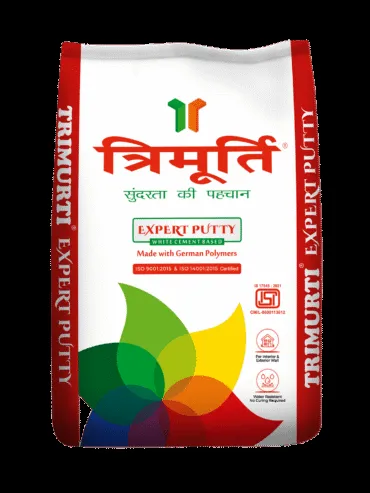
Well-selected building materials contribute to smoother finishes, stronger installations, and better long-term performance across residential and commercial construction projects. Modern construction requires materials that support both appearance and functionality. Surface preparation plays an important role in achieving clean, durable finishes, while reliable tile installation depends on proper bonding and application practices. Products such as wall care putty are commonly considered during finishing work because they help prepare surfaces before painting. Similarly, tile adhesives provide a practical bonding layer between tiles and substrates when selected according to project requirements.
Understanding product characteristics, application conditions, coverage, and pricing can help contractors, builders, and homeowners make more informed material choices. A careful selection process also helps reduce application issues, material wastage, and unnecessary maintenance while supporting consistent results across different construction environments.
Essential Material Choices for Better Construction Results
Selecting materials according to surface conditions, application needs, and durability requirements helps improve construction efficiency and finishing quality.
1. Surface Preparation Creates Better Finishes
Clean and properly prepared surfaces provide a better base for painting and decorative finishes. Suitable wall care putty can fill minor imperfections and create a smoother, more uniform surface.
2. Product Selection Influences Surface Performance
Consider adhesion, coverage, workability, durability, and compatibility before choosing construction materials. Reviewing product specifications helps reduce application issues, material wastage, and unnecessary rework.
3. Application Techniques Affect Final Quality
Correct mixing, application thickness, drying time, and suitable tools can improve material performance. Following manufacturer instructions helps achieve consistent and durable results across different surfaces.
4. Coverage Helps Manage Material Requirements
Estimating surface area and expected coverage before purchasing helps control material consumption. Proper planning reduces shortages, excess purchases, and unnecessary waste during construction projects.
5. Cost Evaluation Improves Purchasing Decisions
Price should be compared with quality, coverage, durability, and application requirements. Evaluating overall project value rather than purchase cost alone can support more practical material selection.
Building Materials That Support Smooth Wall Finishes
Wall finishing materials contribute significantly to the appearance and quality of completed interiors. Proper preparation and suitable products help create surfaces that are ready for paint and decorative treatments.
1. Putty Creates a Uniform Base
Wall putty can help fill minor surface imperfections and create a smoother base for subsequent painting. Applying it correctly can improve surface uniformity and contribute to a cleaner final appearance.
2. Surface Condition Determines Preparation Needs
Walls with cracks, uneven patches, dust, or moisture issues may require additional preparation before putty application. Identifying these conditions early helps contractors select appropriate treatment methods and avoid finishing problems.
3. Application Thickness Requires Attention
Applying material at the recommended thickness helps achieve consistent coverage and reduces cracking, uneven drying, and unnecessary product consumption. Following manufacturer instructions supports better surface performance.
4. Drying Time Affects Subsequent Work
Allowing adequate drying time between preparation and finishing stages helps ensure that the surface is ready for sanding, priming, or painting. Rushing between stages can affect the final finish.
5. Quality Materials Support Better Appearance
Reliable finishing products can contribute to smoother surfaces and improved paint application. Selecting materials according to substrate requirements helps achieve consistent results across different walls and construction environments.
Tile Installation Requires Reliable Bonding Solutions
Tile installation depends on creating a secure connection between the tile and substrate. Selecting a suitable adhesive and applying it correctly can contribute to installation quality and long-term surface performance.
1. Adhesive Selection Depends on Application
Different tile types and surfaces may require specific adhesive characteristics. Tile size, weight, substrate condition, moisture exposure, and installation location should be considered before selecting an appropriate bonding solution.
2. Substrate Preparation Supports Strong Adhesion
The substrate should generally be clean, stable, and free of loose particles before applying the adhesive. Proper preparation improves contact between the adhesive and the surface while reducing installation-related complications.
3. Mixing Consistency Affects Performance
Powder-based adhesives should be mixed according to the manufacturer’s recommended proportions and instructions. Maintaining consistent mixing practices helps achieve appropriate workability and supports uniform application across the installation area.
4. Application Technique Improves Tile Placement
Using suitable tools and maintaining adequate adhesive coverage can improve tile contact. Correct application techniques can also help reduce hollow areas, uneven placement, and bonding issues after installation.
5. Project Conditions Influence Material Choice
Indoor and outdoor installations may experience different moisture, temperature, and exposure conditions. Selecting adhesive products appropriate for the specific environment can support stronger performance and improve the durability of completed tile installations.
Understanding Tile Adhesive Pricing and Value
Construction material costs can depend on formulation, packaging, coverage, and market conditions. When comparing options, the POP wall putty price should be evaluated alongside expected coverage, product performance, and application requirements rather than considering the purchase cost alone.
1. Coverage Helps Calculate Total Requirements
Estimating the surface area and expected material consumption helps determine how much adhesive or finishing material is required. Accurate calculations reduce the risk of shortages and unnecessary leftover products.
2. Quality Can Influence Long-Term Costs
Materials with suitable performance characteristics may reduce rework, repairs, and premature replacement. Evaluating quality alongside initial price can therefore provide a more realistic understanding of the total project investment.
3. Packaging Supports Flexible Purchasing
Different packaging options allow buyers to select quantities according to project size. Smaller packages may suit limited repairs, while larger quantities can be more practical for extensive construction or renovation work.
4. Application Conditions Affect Consumption
Uneven substrates, large-format tiles, thicker applications, and demanding installation conditions can increase material consumption. Accounting for these factors before purchasing helps create more accurate project budgets.
5. Product Information Supports Comparison
Technical specifications, recommended applications, coverage information, and usage instructions provide useful information when comparing materials. Reviewing these details helps buyers select products that match the requirements of their particular construction project.
Conclusion
Choosing suitable construction materials requires attention to quality, application requirements, coverage, and overall project value. For buyers comparing finishing and tile installation solutions, product specifications can provide useful guidance when evaluating available options. The Trimurti tile adhesive price can be considered alongside product characteristics, packaging, coverage, and intended application rather than as an isolated cost.
For those exploring dependable construction materials, Trimurti Products offers solutions to meet diverse construction and finishing requirements. Reviewing product information and selecting materials according to project conditions can help contractors, builders, and homeowners make practical decisions while working toward smooth finishes, secure tile installations, and reliable long-term results.
