
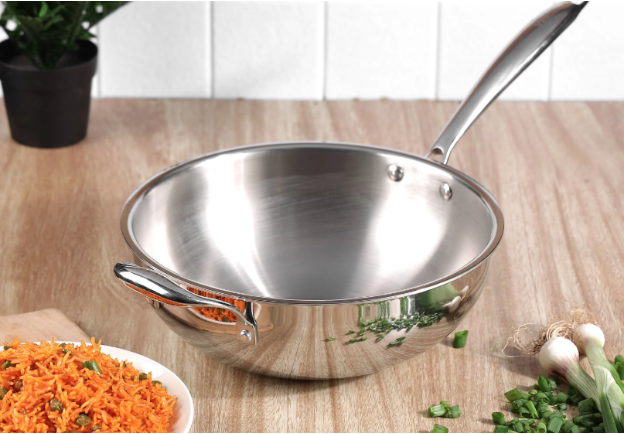
Cooking for a family can be both rewarding and challenging. From preparing meals that satisfy everyone’s taste buds to ensuring efficiency in the kitchen, having the right cookware can make all the difference. A high-capacity wok paired with a durable cast-iron pan offers a versatile solution for home chefs who want to create delicious, healthy meals without spending hours over the stove. The combination of these tools provides exceptional heat distribution, impressive cooking performance, and the ability to handle large portions—all crucial when feeding a family.
A wok has long been celebrated for its ability to cook food quickly while preserving flavour, texture, and nutrients. Its deep, rounded shape makes it perfect for stir-frying, deep-frying, steaming, or even simmering stews. Meanwhile, a cast-iron pan brings unmatched heat retention and durability, ensuring that ingredients cook evenly and maintain consistent temperatures. Together, they provide a culinary duo that allows families to enjoy restaurant-quality meals at home.
The Benefits of a High-Capacity Wok
A high-capacity wok is specifically designed to handle large quantities of food, making it ideal for family cooking. Whether you are preparing a weeknight stir-fry or a weekend feast, its generous size allows for tossing and stirring ingredients without overcrowding, which is essential for even cooking. Overcrowding a pan can lead to steaming rather than frying, resulting in soggy or unevenly cooked meals. With a high-capacity wok, every vegetable, meat, or noodle gets perfectly cooked while retaining its texture and flavour.
Another advantage of a high-capacity wok is its versatility. Beyond stir-frying, it can be used for steaming vegetables, poaching chicken, or even making soups. Many modern woks feature flat bottoms, allowing them to be compatible with both gas and induction cooktops, giving families more flexibility in how they prepare meals. Its depth also makes it suitable for deep-frying in smaller batches, reducing oil usage compared to traditional deep-fryers.
Why a Cast Iron Pan Complements a Wok
While the wok is excellent for rapid cooking and stir-frying, a cast iron pan brings stability and even heat retention to the table. Cast iron pans are perfect for searing meats, creating crispy textures, or simmering sauces that require consistent, high heat. Their ability to hold heat evenly ensures that food does not stick or burn, which is particularly important when cooking in large quantities.
When used alongside a high-capacity wok, the cast iron pan offers a complementary cooking experience. For example, you can sear marinated meat in a cast iron pan to develop a flavorful crust before tossing it into the wok with vegetables and sauce. This combination allows for layered flavors and textures, transforming simple ingredients into a sophisticated, home-cooked meal.
Health and Nutritional Benefits
Cooking in a high-capacity wok and a cast iron pan has additional health advantages. Stir-frying in a wok requires less oil than traditional frying methods, preserving the natural flavors and nutrients of vegetables. The quick cooking time also ensures that vitamins and minerals remain intact. Cast iron pans, on the other hand, naturally release small amounts of iron into food, which can be beneficial for maintaining healthy iron levels, particularly in households with children or adults with dietary needs.
Moreover, both types of cookware are non-toxic and chemical-free, unlike some non-stick alternatives that may release harmful substances when overheated. By using a wok and cast iron pan, families can cook with confidence, knowing that their meals are safe, wholesome, and full of flavor.
Practicality and Longevity
Investing in high-quality cookware is not only about performance but also about longevity. A high-capacity wok and a well-seasoned cast iron pan can last for decades if properly cared for. Woks are typically made of carbon steel or stainless steel, providing durability and excellent heat conduction. Cast iron pans, when seasoned and maintained, develop a naturally non-stick surface that improves over time.
Both types of cookware are also highly versatile and can handle a variety of cooking methods. From quick weeknight dinners to elaborate holiday meals, they offer consistent results. Cleaning and maintenance are straightforward: woks usually require simple hand-washing and occasional seasoning for carbon steel varieties, while cast iron pans benefit from light oiling after use to maintain their seasoning and prevent rust.
Cooking for Every Occasion
The high-capacity wok is perfect for everyday family meals as well as special occasions. Imagine preparing a quick chicken and vegetable stir-fry for a busy weeknight, then using the same wok to cook a large seafood stir-fry for a weekend gathering. Its capacity allows for flexibility in portion sizes, meaning you can cook enough food for everyone without multiple batches.
The cast iron pan complements this by handling tasks that require consistent heat and searing, such as caramelizing onions, browning meat, or preparing crispy fried rice. Together, these tools allow for a wide variety of culinary techniques, enabling families to experiment with new recipes and cuisines while maintaining efficiency and control.
Conclusion
A high-capacity wok and a cast iron pan form the ultimate duo for family cooking. The wok’s large size, quick heating capabilities, and versatility combine perfectly with the cast iron pan’s heat retention, durability, and searing ability. Together, they make preparing large, nutritious, and flavorful meals simpler and more enjoyable.
For families looking to elevate their home-cooked meals, investing in these two pieces of cookware is a step toward culinary confidence. Not only do they enhance cooking performance, but they also offer long-term value and durability. Whether you are preparing a quick stir-fry for a weekday dinner or hosting a celebratory meal for loved ones, a high-capacity wok and cast-iron pan provide the tools needed to cook with precision, style, and efficiency.
