
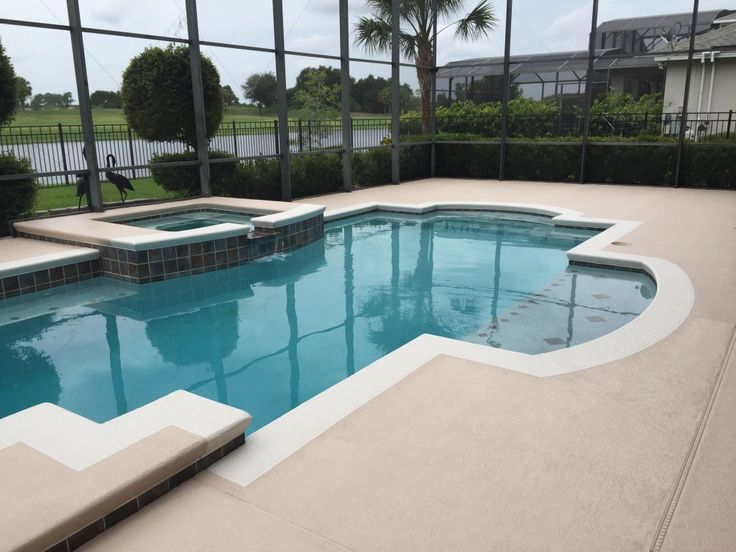
Outdoor concrete deals with much more than occasional foot traffic. Sunlight, water, changing temperatures, furniture, dirt, and regular cleaning can all affect the surface. For homeowners considering pool deck resurfacing, the goal should be to improve both the appearance and everyday usability of the area.
Homeowners comparing outdoor concrete solutions can use these practical factors to make a more informed decision before a project begins. Looking at performance, preparation, and long-term use together can help narrow down the most suitable approach.
Start by Looking Closely at the Existing Slab
Before choosing a finish, inspect the concrete for cracks, worn spots, stains, old coatings, or areas where the surface has deteriorated. A new finish may transform the appearance, but underlying problems still need attention before installation.
The same principle applies when planning patio flooring. If the concrete base is damaged or contaminated, covering it without suitable preparation can affect adhesion and the final appearance. Repairs and surface preparation should therefore be treated as part of the project.
Match the Surface to the Way You Use the Space
A pool deck and a patio may sit within the same backyard, but they often serve different purposes. Pool areas are regularly exposed to water and bare feet, while patios may hold dining sets, grills, planters, or heavier furniture.
Those differences can influence the preferred texture and finish. Around water, practical traction deserves attention. On a patio, homeowners may want to balance comfort, appearance, cleaning needs, and resistance to everyday movement of chairs and tables.
Think About Comfort, Not Just Color
Color and decorative patterns are easy to notice first, but comfort matters too. Outdoor surfaces can receive strong sun, so it helps to consider the location, surrounding shade, and how the space feels during the hottest parts of the day.
Think about who regularly uses the area as well. Children, older relatives, pets, or frequent guests may influence which texture feels most practical. A finish should support real daily habits rather than simply look attractive in a sample.
Good Preparation Supports a Better Finish
Surface preparation gives a coating system a suitable base. Depending on the condition of the slab, work may include cleaning, crack repair, removal of old material, and mechanical preparation of the concrete.
This stage should not be rushed. Proper preparation helps address visible weaknesses before the new system is applied and can reduce the risk of avoidable bonding problems later.
Pay Attention to Water and Drainage
Water movement deserves careful thought around pools. If the existing concrete has low areas where water regularly collects, adding a coating will not automatically solve the underlying slope or drainage problem.
Patios can face similar issues after rain or washing. Drains, edges, transitions, and problem areas should be discussed before work begins so homeowners understand what the coating project can realistically improve.
Choose a Look That Fits the Property
Outdoor flooring works best when it connects visually with the home, landscaping, fencing, and furniture. A finish that looks attractive on its own can feel disconnected if it clashes with surrounding colors or materials.
Instead of choosing from a sample in isolation, picture the entire outdoor setting. Neutral blends can provide flexibility, while more distinctive finishes may add character to a simple backyard.
Plan for Installation and Downtime
Exterior coating work requires time for preparation, application, and curing. Furniture, grills, planters, and other objects normally need to be moved so the entire work area is accessible.
Before scheduling, ask how long the project is expected to take and when normal use can resume. Weather and site conditions can affect some installations, so a realistic plan helps prevent unnecessary disruption.
Keep Maintenance Straightforward
A finished outdoor surface still benefits from routine care. Leaves, dirt, spills, and debris should be removed regularly, while cleaning products should be suitable for the installed coating.
Occasional inspection is useful too. Addressing isolated wear or damage early can be easier than waiting until a small issue affects a larger area.
Conclusion
Refreshing outdoor concrete is most successful when appearance and performance are considered together. Slab condition, drainage, texture, weather exposure, colour, and maintenance can all influence how well a patio or pool area works over time.
Homeowners considering an exterior concrete upgrade can explore suitable coating options through huskycoatings.com. Choosing a finish around the way the outdoor space is actually used can create a more practical and enjoyable result.
