
Introduction
A road roller is one of the most important machines in road construction, landscaping, and heavy-duty ground preparation. Whether you are building a road, compacting soil, preparing a parking lot, or working on a construction site, proper compaction is essential for long-lasting results. Without it, surfaces can become uneven, weak, or prone to cracks over time.
A quality road roller helps press soil, gravel, asphalt, or other materials into a firm and stable surface. This makes the finished area safer, stronger, and more durable. For contractors, choosing the right roller can save time, reduce labor, and improve project quality. You can explore available road roller options here: https://www.mmsce.com/collections/road-roller
Road Roller Overview
A road roller is a compaction machine designed to compress construction materials and create a smooth, solid surface. It is commonly used in road building, driveway construction, parking areas, foundations, and landscaping projects. The main purpose of a road roller machine is to remove air gaps from the ground or asphalt layer so the surface becomes stronger and more stable.
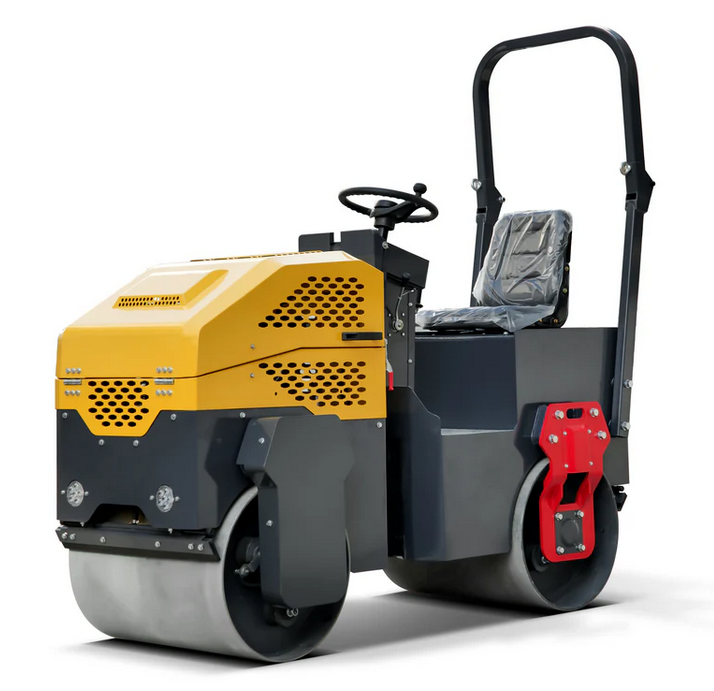
Road rollers come in different sizes and designs depending on the type of work. Some are large ride-on machines used for highways and big construction sites. Others are compact rollers suitable for smaller areas, pathways, and repair jobs. The right machine depends on the project size, ground condition, material type, and required compaction depth.
For contractors and project managers, using the right road roller means better performance, fewer surface failures, and faster completion.
Types, Features, and Options of Road Rollers
Road rollers are not all the same. Each type is designed for a specific purpose, so understanding the main options can help you choose the best machine for your job.
Single Drum Road Roller
A single drum roller has one large steel drum at the front and rubber tires at the back. It is often used for soil, gravel, sand, and base layer compaction. This type of road roller compactor is popular for road foundations and large open spaces.
Double Drum Road Roller
A double drum roller has steel drums at both the front and rear. It is commonly used for asphalt compaction because it creates a smooth and even finish. It is ideal for roads, parking lots, and flat surfaces where appearance and surface quality matter.
Vibratory Road Roller
A vibratory roller uses vibration along with weight to increase compaction force. This helps compact deeper layers more efficiently. It is useful for projects that require strong ground stability and faster compaction.
Walk-Behind Road Roller
A walk-behind roller is smaller and easier to control. It is ideal for narrow spaces, small repair work, sidewalks, trenches, and landscaping jobs. It is also a practical option when larger rollers cannot access the work area.
Key Features to Look For
Important features include drum width, engine power, vibration strength, operating weight, fuel efficiency, ease of control, and safety features. Buyers should also consider maintenance needs and spare parts availability. For different road roller choices, check the collection here: https://www.mmsce.com/collections/mini-skid-steer-loader-attachment
Benefits and Importance of Using a Road Roller
Using a road roller is not just about flattening the surface. It directly affects the strength, safety, and lifespan of the construction work. A poorly compacted surface can settle unevenly, crack under pressure, or fail after heavy use. This can lead to expensive repairs and project delays.
A road roller solves this problem by applying consistent pressure across the surface. It improves material bonding, removes air pockets, and creates a firm foundation. This is especially important for asphalt roads, concrete bases, parking lots, and construction platforms.
Another major benefit is efficiency. Manual compaction takes more time and effort, while a machine can cover larger areas quickly and evenly. This helps contractors finish projects faster without compromising quality.
For businesses, investing in the right road roller for sale can improve productivity, reduce long-term repair costs, and deliver more professional results. A reliable road roller supports better project outcomes from the ground up.
How to Choose the Right Road Roller
Choosing the right road roller depends on your project needs. Before buying or selecting a machine, consider the following steps.
1. Identify the Material
First, decide what material you need to compact. Soil, gravel, sand, and asphalt all require different compaction methods. For asphalt, a double drum roller is often suitable. For soil and base layers, a single drum or vibratory roller may be better.
2. Check the Project Size
Large roads and commercial sites need heavier rollers with wider drums. Small driveways, paths, or repair areas may only need compact or walk-behind models.
3. Consider Compaction Depth
If your project requires deep compaction, choose a vibratory road roller with enough force. For surface-level finishing, a lighter roller may be enough.
4. Review Site Access
Look at the working area. If the space is narrow or has obstacles, a compact roller will be easier to operate. For open areas, a larger machine can complete the job faster.
5. Compare Engine Power and Weight
A stronger engine and heavier machine usually provide better compaction power. However, bigger is not always better. The machine should match the job requirement.
6. Look at Maintenance Support
Choose a machine that is easy to maintain and supported by available parts. This helps reduce downtime and keeps your project moving smoothly.
Expert Tips and Best Practices
For the best results, always prepare the surface before using a road roller. Remove large debris, level the area, and make sure the material is spread evenly. Uneven material can lead to poor compaction and surface weakness.
Do not rush the process. Multiple slow passes are often better than one fast pass. This allows the roller to compact the material properly and create a stronger finish. When using a vibratory roller, adjust the vibration setting based on the material type and layer thickness.
Operators should also avoid over-compaction. Too much pressure can damage certain materials, especially asphalt. Follow the recommended compaction process for each project.
Safety is equally important. Operators should wear proper protective equipment, inspect the machine before use, and avoid working too close to edges or unstable ground. A road roller is powerful equipment, so careful operation protects both the worker and the project quality.
Conclusion
A road roller is essential for creating strong, stable, and long-lasting construction surfaces. From soil preparation to asphalt finishing, the right machine improves compaction quality, saves time, and reduces future repair problems. By understanding different roller types, key features, project needs, and best practices, you can make a smarter buying decision.
Whether you need a compact roller for small jobs or a powerful road roller compactor for larger projects, choosing the correct machine will help you work more efficiently and professionally.
